William Wallace in Peebles: The Forgotten Borders Battleground
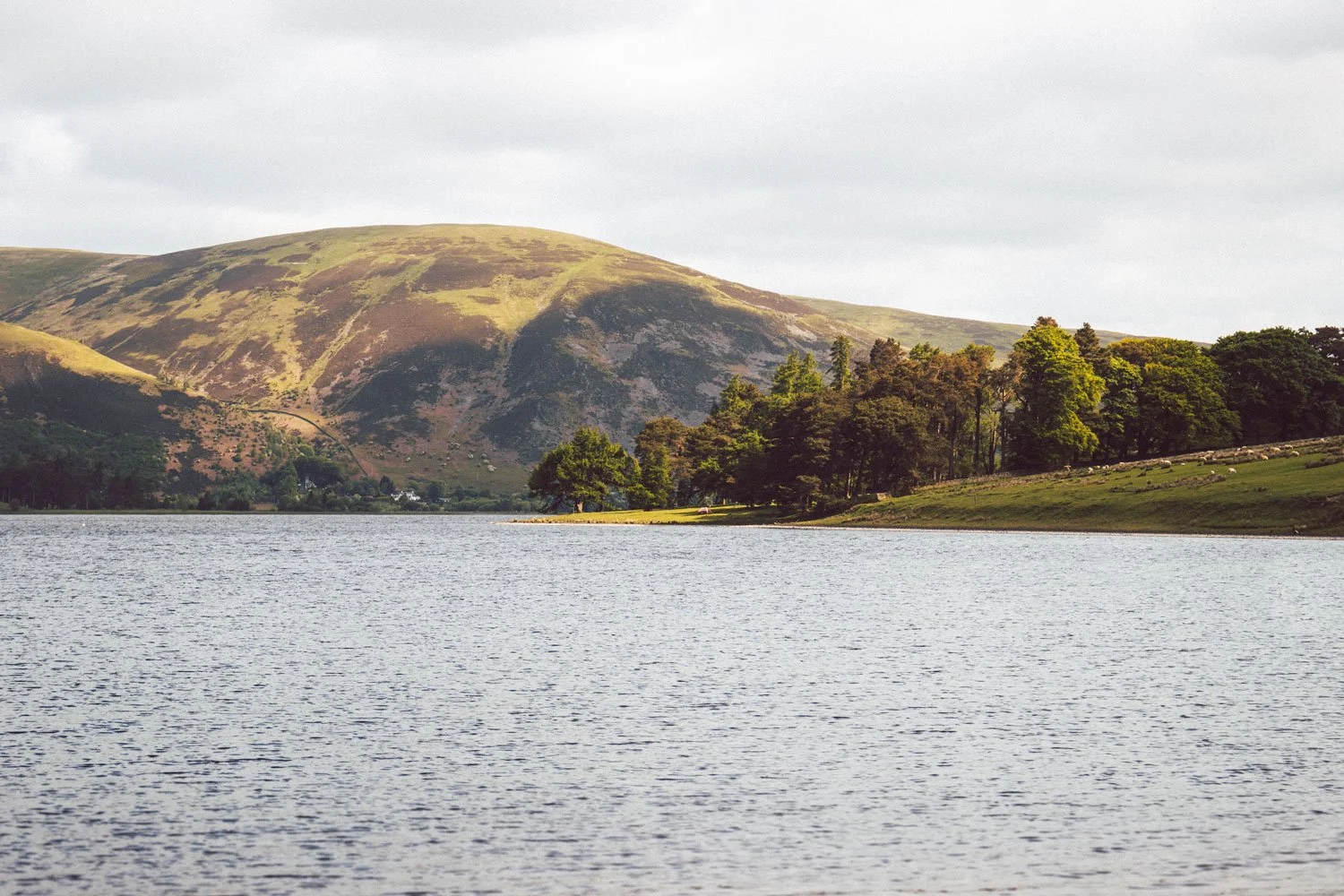
St Mary’s Loch and remnants of the Ettrick Forest by Sean Kinnear
When people think of the Scottish Wars of Independence, they picture Stirling Bridge or Falkirk, the famous clashes that shaped a nation. But long before and after those bloody confrontations, William Wallace was executing a much quieter and, in some ways, much smarter strategy: hiding, training, and striking from the wild depths of the ancient Scottish Borders, with the town of Peebles his nervous but ever-watchful neighbour.
This is the overlooked history of that vital corner of the Wars of Independence. The vast woodland that hid a rebel army, the English sheriff trying to hunt him down, and the nearby clash that finally shattered Wallace's Borders campaign.
William Wallace and the Ettrick Forest: Guerrilla warfare
The Ettrick Forest wasn't a forest in the way we picture woodland today. Long before it was a medieval playground for kings, it was a primaeval wilderness - a direct southern remnant of the great Caledonian Forest. When the Roman legions marched north under General Agricola in 79 AD, they encountered this intimidating landscape, which they named the Silva Caledonia, from a Celtic word meaning 'wooded heights'. Roman writers like Tacitus described it as a terrifying, impenetrable wilderness, and the local Selgovae tribe used its dense canopy of oak, hazel, and birch as a natural shield to launch devastating guerrilla ambushes against the heavily armoured Roman infantry.
By the Middle Ages, this wild ecosystem had evolved into a vast, ancient royal hunting ground spanning Selkirkshire and Peeblesshire. Legally designated under strict Forest Law to preserve game like red deer for the Crown, the terrain remained dense, boggy, and brutal to move through, especially if you were an English knight wearing heavy chainmail and sitting on a warhorse.
The impenetrable landscape made it the ultimate medieval hideout.
After Wallace assassinated William Heselrig, the English Sheriff of Lanark, in May 1297, he became Scotland's most wanted man overnight. He didn't seek refuge behind the walls of a castle or a town; instead, he plunged into the depths of the Borders.
Surviving records from that same summer describe Wallace gathering 'a large company' in the forest - recruiting local archers and light infantry who knew how to move fast and disappear into the wilds where heavy English cavalry couldn't follow.
It wasn't just a place to hide, either. Local tradition dictates that following his historic victory at the Battle of Stirling Bridge later that year, Wallace returned to these woods to be formally proclaimed Guardian of Scotland at the Kirk o' the Forest.
Today, historians and local experts are divided on exactly where this momentous ceremony took place, with two competing locations claiming the title. The first theory points to the Auld Kirk in Selkirk town centre, the historic capital of the forest. This claim was reinforced in 2016 when archaeologists discovered the physical footprint of a medieval chapel directly beneath the town's later church.
The second theory points 19 miles west to the remote, wild hillside overlooking St Mary's Loch. Known historically as St Mary’s of the Lowes or the 'Forest Kirk', records show a place of worship existed here as early as 1275, leading many to argue that its extreme isolation made it the ultimate, secure stronghold for Wallace and the Scottish nobles.
While the physical kirk itself was destroyed centuries ago, visitors today can still explore its ancient, atmospheric graveyard and trace the grass-covered stone outlines of the original medieval foundations looking out over the water.
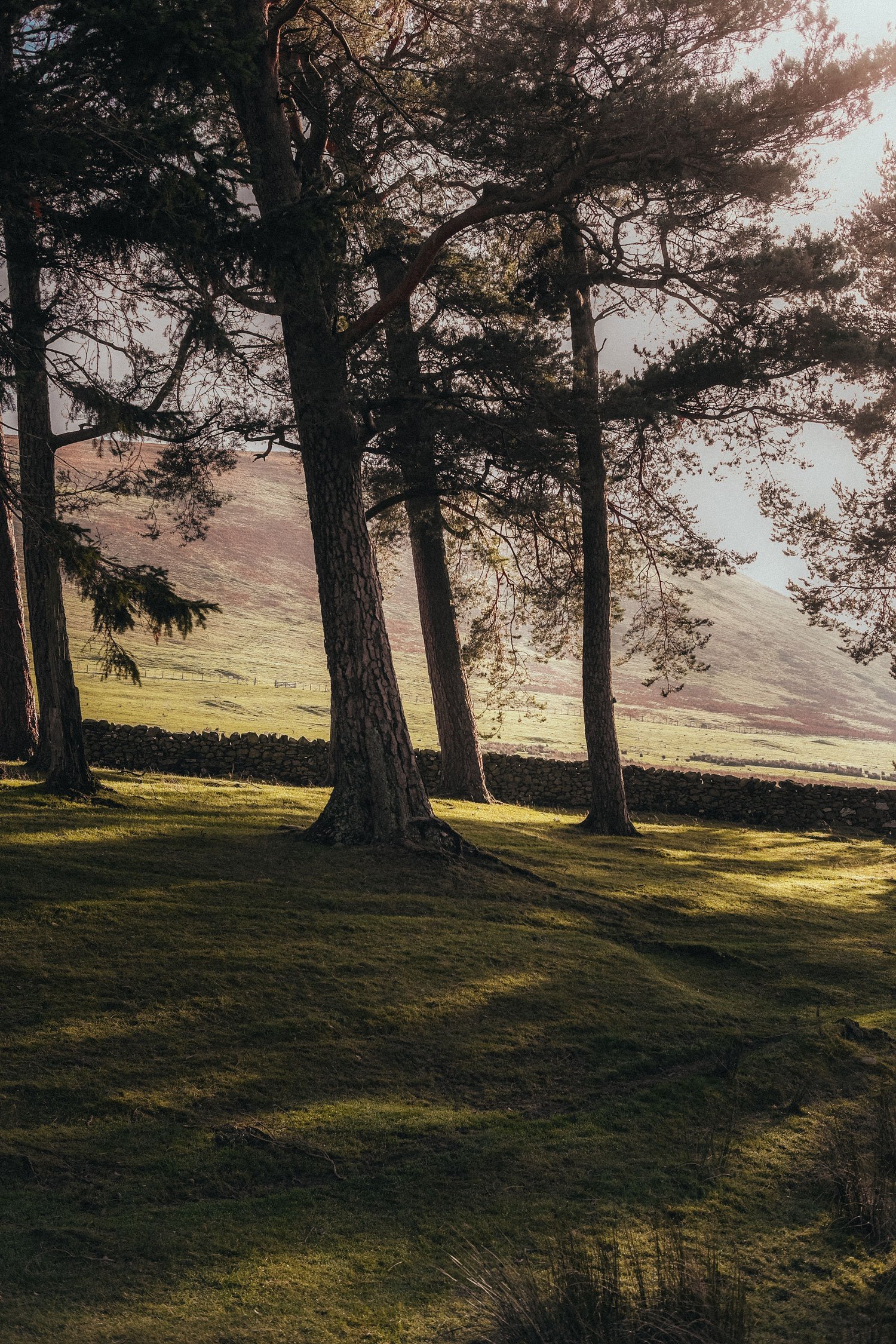
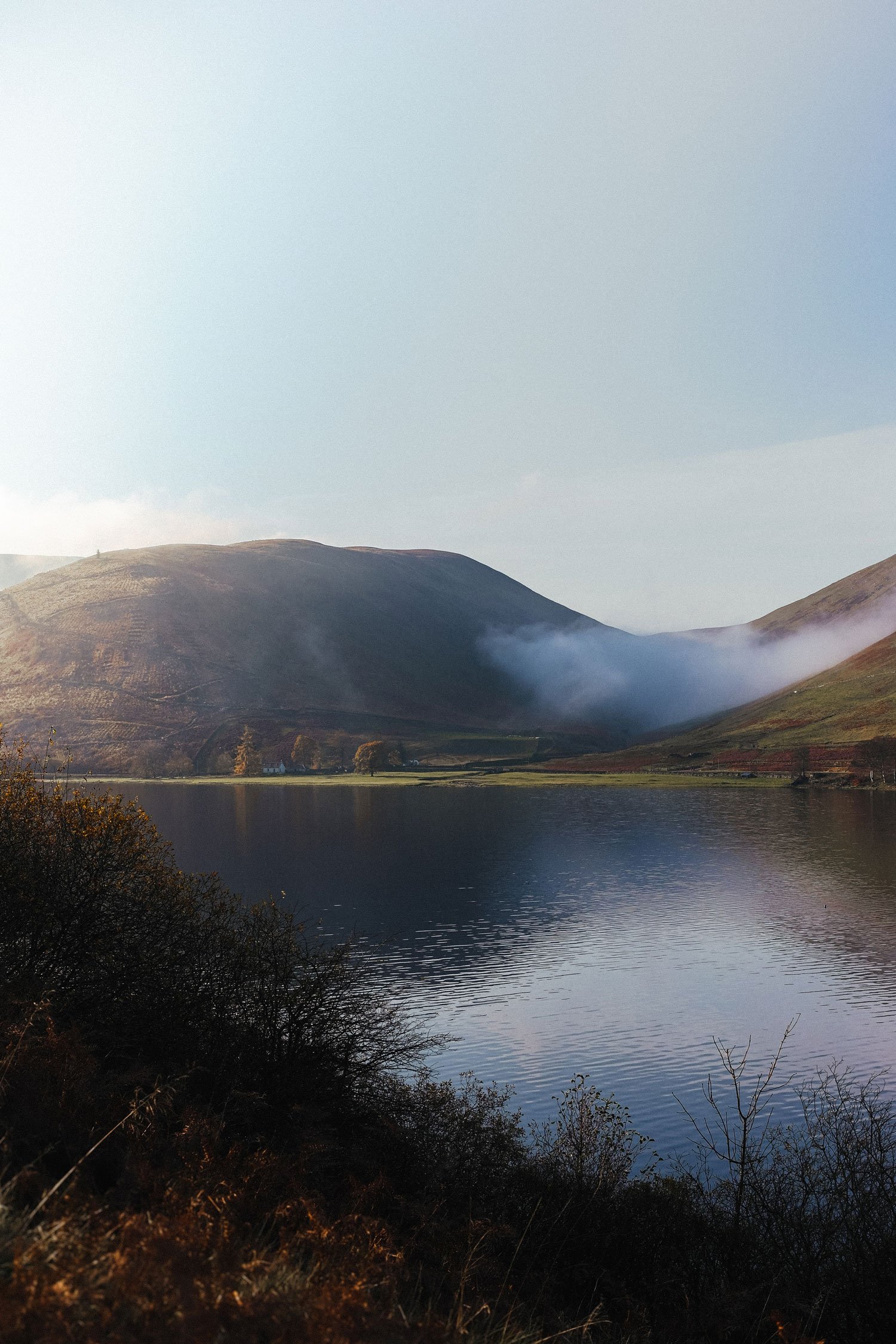
St Mary’s Loch and remnants of the Ettrick Forest by Sean Kinnear
Peebles Castle: A medieval frontline outpost
If the forest was Wallace's secure haven, medieval Peebles was the enemy stronghold sitting right on its doorstep.
As a prominent royal burgh positioned directly on the forest's edge, Peebles was highly valuable to the English crown, providing vital tax revenue and regional control. King Edward I - Hammer of the Scots - gave the Sheriff of Peebles a clear, uncompromising mandate: keep the trade roads open, keep the tax money flowing, and hunt down the "schavaldours", the outlaws, meaning Wallace and his guerrilla fighters.
It was a notoriously stressful posting. The Sheriff of Peebles and the garrison stationed at Peebles Castle became a central hub for England's intelligence efforts in the South of Scotland. They intercepted letters, interrogated travellers, and sent scouts deep into the treeline to pinpoint Wallace’s hidden camps.
Meanwhile, Wallace used the dense forest cover to launch fast, brutal raids on English supply routes passing through Peeblesshire. His men would hit hard, seize supplies, and vanish back into the wilderness before the garrison could mount a defence. These raids were so frequent and disruptive that the local sheriff regularly had to beg for military backup from major English bases at Berwick and Roxburgh just to keep the local roads passable.
The Battle of Happrew (1304): Wallace’s last Borders stand
Years of high-stakes cat-and-mouse eventually came to a head in March of 1304, just a few miles down the road from Peebles.
Sir John Segrave, the English Governor of Scotland, led a heavily armed, elite force into the area to finally corner the elusive rebel leader. They caught up with him at Happrew, near Stobo, alongside the Lyne Water. This time, the English had the numbers and the positioning.
There is a bitter, but fascinating historical irony buried in the records of that fight: among the English ranks hunting Wallace that day was none other than Robert the Bruce. Bruce had submitted to Edward I before later switching sides to lead Scotland’s fight for independence. For a brief, strange moment on a Peeblesshire battlefield, two of Scotland’s greatest national heroes stood on opposite sides.
Wallace's forces were ultimately beaten and scattered, forced to retreat into the forest's deepest glens. While Wallace himself managed to slip through the net, his Borders campaign was effectively over. He would avoid capture for only one more year, until he was famously betrayed and arrested near Glasgow in 1305.
Where to find William Wallace's history in the Scottish Borders
The ancient forest and the bloody clashes it hosted haven't been entirely swallowed by time. If you go looking, the landscapes surrounding Peebles still hold physical traces of this incredible story:
Wallace’s trench: Located near Traquair, between Peebles and Selkirk, this huge, mysterious medieval earthwork is traditionally claimed by local lore to have been dug by Wallace's men to defend one of their primary forest encampments; however, many modern historians acknowledge that it may well be from the earlier Brittonic period.
The Wallace statue: This towering 31-foot red-sandstone monument overlooks the Tweed Valley near Bemersyde. Erected in 1814, it stands as a permanent reminder of just how deeply Wallace's legacy is tied to this specific stretch of forest and river.
Stirling Bridge and Falkirk will always claim the biggest headlines in our history books. But it was the Ettrick Forest, quiet, dense, and nearly impossible for an occupying army to police, where William Wallace actually lived, trained, and survived for the majority of his career as a rebel leader. And Peebles, for its trouble, spent years as the frontline town trying, and largely failing, to bring him down.
Did Wallace ever secretly walk the high street of medieval Peebles? While no official paperwork survives to prove it, given how close he lived to the town walls, it is highly likely. Paddle a Kayak along the shores of St Mary’s Loch towards Ettrick Forest and experience the lands once looked upon by Wallace; for more: Click Here